
"cycling culture"
300 article(s) found

Coffee is best at 10:30 am
According to a new report, caffeine's effectiveness depends on how long you drink it, depending on the cortisol production cycle in your body.
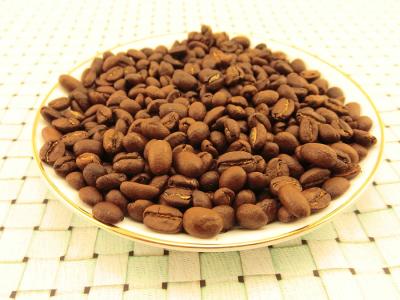
Using the traditional Brazilian natural drying method of pulp, Brazilian Cerrado Syrador coffee beans
Using the traditional Brazilian pulp natural drying method, Brazil Cerrado Hilado coffee beans Brazil coffee production ranks first in the world, and the United States ranks first in coffee consumption in the world, with an annual consumption of about 3 trillion yuan. However, the scale of China's coffee consumption market is only about 70 billion yuan, and there is still a lot of room for development. So far, overseas coffee roasters have been able to absorb higher costs. In contrast, Brazil

Introduction to the characteristics of coffee flavor description and grinding degree in Shaqiso producing area of Ethiopia
Ethiopia has unique natural conditions suitable for growing all imaginable varieties of coffee. As a highland crop, Ethiopian coffee beans are mainly grown in areas between 1, 100 and 2300 meters above sea level, roughly distributed in southern Ethiopia. Deep soil, well drained soil, weakly acidic soil, laterite and soil are soft and contain

Ethiopia Coffee Coffee
Ethiopia's Yirgacheffe coffee is petite, but gentle and sweet. As the home of coffee, Ethiopia's millennia of growing and processing traditions have resulted in high-quality washed Arabica beans. Light baked with unique lemon, floral and honey sweet aromas, soft fruit acids and citrus notes, fresh and bright taste. not

World famous Coffee Tour: Harald Moka, Ethiopia (part I)
[product name]: Ethiopia Harald Mocha (Ethiopia Harar Mokha) [quality rating]: DP Grade 4 [baking]: recommended moderate baking (Medium Roast or City Roast) [grade]: excellent [granule]: ★ full [acidity]: ★★★★ slightly sour, dark chocolate aftertaste [balance]: ★★★★ is very stable
The effectiveness of caffeine depends on the time it takes to drink coffee.
According to a new report, the effectiveness of caffeine is determined by the time it takes to drink coffee, all due to different cortisol secretion cycles in the body.

Introduction to the flavor and taste of Ethiopian coffee beans grade classification of Ethiopian Sidamo coffee beans
Ethiopia has unique natural conditions suitable for growing all imaginable varieties of coffee. As a upland crop, Ethiopian coffee beans are mainly grown in areas between 1100 and 2300 meters above sea level, roughly distributed in southern Ethiopia. Deep soil, row

A brief introduction to the Colombian examination Card Excellence Cup
For more information on coffee beans, please follow Coffee Workshop (Wechat official account cafe_style) country: Columbia Coffee Culture is an outstanding example of cultural landscape, continuous and productive, and it represents a unique tradition that is of far-reaching significance to coffee-growing areas around the world. This heritage is located in western Colombia.

Columbia Linglong Coffee name Source _ soft and translucent Colombian Nalinglong Coffee
Professional coffee knowledge exchange more coffee bean information please follow the coffee workshop (Wechat official account cafe_style) ★ becomes the cup of coffee you want to taste every day ★ really began to understand the characteristics of Colombian coffee ★ soft and translucent acidity, smooth touch and nutty chocolate lingering in southern Colombia, west Ecuador, north and another
Exquisite Ethiopian coffee beans Starbucks Ethiopian coffee
Ethiopia has unique natural conditions suitable for growing all imaginable varieties of coffee. As a upland crop, Ethiopian coffee beans are mainly grown in areas between 1100 and 2300 meters above sea level, roughly distributed in southern Ethiopia. Deep soil, well drained soil, weakly acidic soil, laterite and soil are soft and contain

Ethiopian coffee flavor Ethiopian coffee characteristics Ethiopian coffee taste
Ethiopia has unique natural conditions suitable for growing all imaginable varieties of coffee. As a upland crop, Ethiopian coffee beans are mainly grown in areas between 1100 and 2300 meters above sea level, roughly distributed in southern Ethiopia. Deep soil, well drained soil, weakly acidic soil, laterite and soil are soft and contain
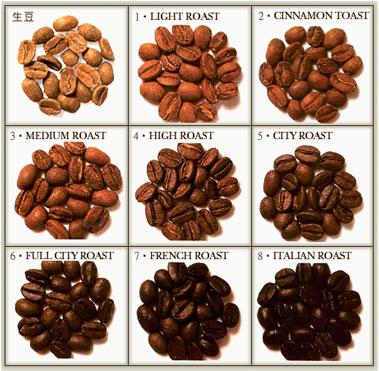
Natural fermented Ethiopian coffee flavor, characteristics, taste and estate
Ethiopia is blessed with natural conditions for growing all conceivable varieties of coffee. Ethiopia's coffee beans are mainly grown as highland crops in areas with altitudes of 1100-2300 meters above sea level, roughly distributed in southern Ethiopia. Deep soil, well-drained soil, weakly acidic soil, laterite and soft soil containing

Summary of Coffee Bean Flavor cultivation in Ethiopia
Following Cafe Review (Wechat official account vdailycom) found that Fairview Cafe opened a small shop of its own Ethiopian Coffee Overview the full name of the Federal Democratic Republic of Ethiopia (formerly known as Abyssinia) is a country in northeast Africa. English name: The Federal Democratic Republic of Ethiopia, Ethiopia is the origin of coffee

Introduction of Columbia Linglong Coffee Flavor description, Taste, quality, Grinding scale
Columbia Linglong Coffee Flavor description Taste quality characteristics Grinding scale introduction on a steep slope about 1300 meters above sea level, where the annual temperature is about 18 degrees Celsius, annual rainfall is 2000 to 3000 millimeters, latitude 1-11 15 north, longitude 72-78 west, the specific range of elevation is more than 2.000 meters. By a special combination of various factors, the coffee growing area of Colombia

Taste characteristics of fermented natural sun-cured Ethiopian coffee varieties introduction to the flavor of fine coffee beans in the manor
Ethiopia has unique natural conditions suitable for growing all imaginable varieties of coffee. As a upland crop, Ethiopian coffee beans are mainly grown in areas between 1100 and 2300 meters above sea level, roughly distributed in southern Ethiopia. Deep soil, well drained soil, weakly acidic soil, laterite and soil are soft and contain
Flavor, characteristics, taste and manor introduction of naturally fermented Ethiopian coffee
Ethiopia has unique natural conditions suitable for growing all imaginable varieties of coffee. As a upland crop, Ethiopian coffee beans are mainly grown in areas between 1100 and 2300 meters above sea level, roughly distributed in southern Ethiopia. Deep soil, well drained soil, weakly acidic soil, laterite and soil are soft and contain
Coffee introduced by Taiwan businessmen spawned coffee industry in Nanjing, Fujian
At present, Nankeng Coffee Tourism Park has a daily passenger flow of 600. coffee beans are in short supply, with an annual income of 800000 yuan on coffee beans alone. And 500000 coffee seedlings are being cultivated to be provided to local farmers next year.

What are the quality characteristics of Essel coffee beans? what is the difference in flavor between Yega Xuefei washing and sun treatment?
Professional coffee knowledge exchange more coffee bean information please follow the coffee workshop (Wechat official account cafe_style) front street-Ethiopia coffee ranking, washing, sun exposure brief introduction with unique natural conditions in Ethiopia, suitable for growing all imaginable coffee varieties. Esseobi
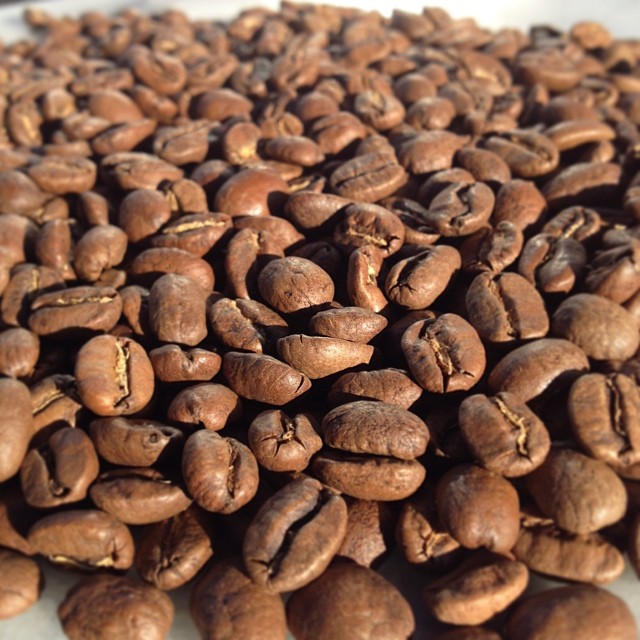
Natural fermentation and Solar Ethiopian Coffee Flavor, characteristics, texture and Manor introduction
Ethiopia has unique natural conditions suitable for growing all imaginable varieties of coffee. As a upland crop, Ethiopian coffee beans are mainly grown in areas between 1100 and 2300 meters above sea level, roughly distributed in southern Ethiopia. Deep soil, well drained soil, weakly acidic soil, laterite and soil are soft and contain

Natural fermented and mellow Ethiopian coffee flavor, characteristics, taste and manor introduction
Ethiopia has unique natural conditions suitable for growing all imaginable varieties of coffee. As a upland crop, Ethiopian coffee beans are mainly grown in areas between 1100 and 2300 meters above sea level, roughly distributed in southern Ethiopia. Deep soil, well drained soil, weakly acidic soil, laterite and soil are soft and contain